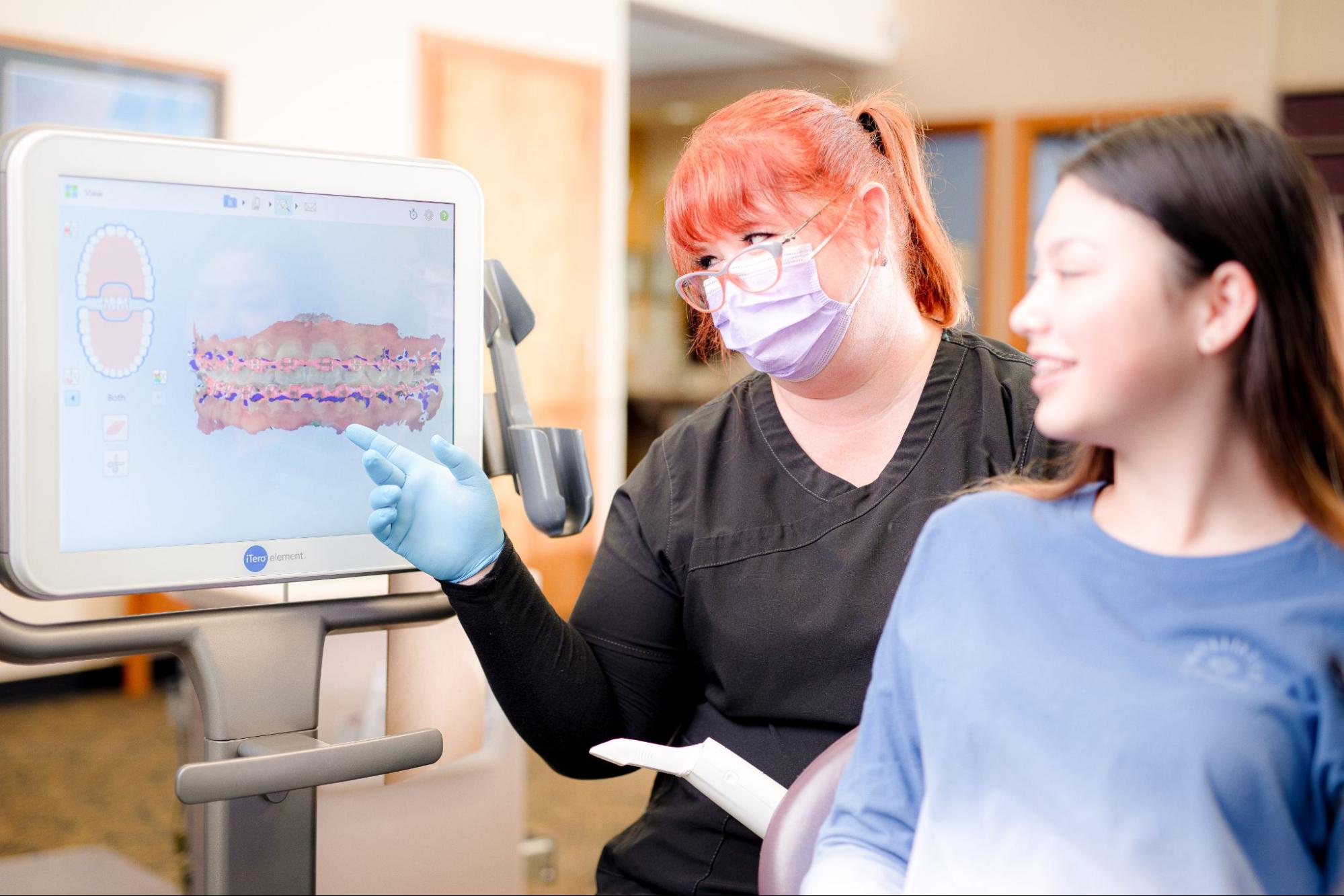
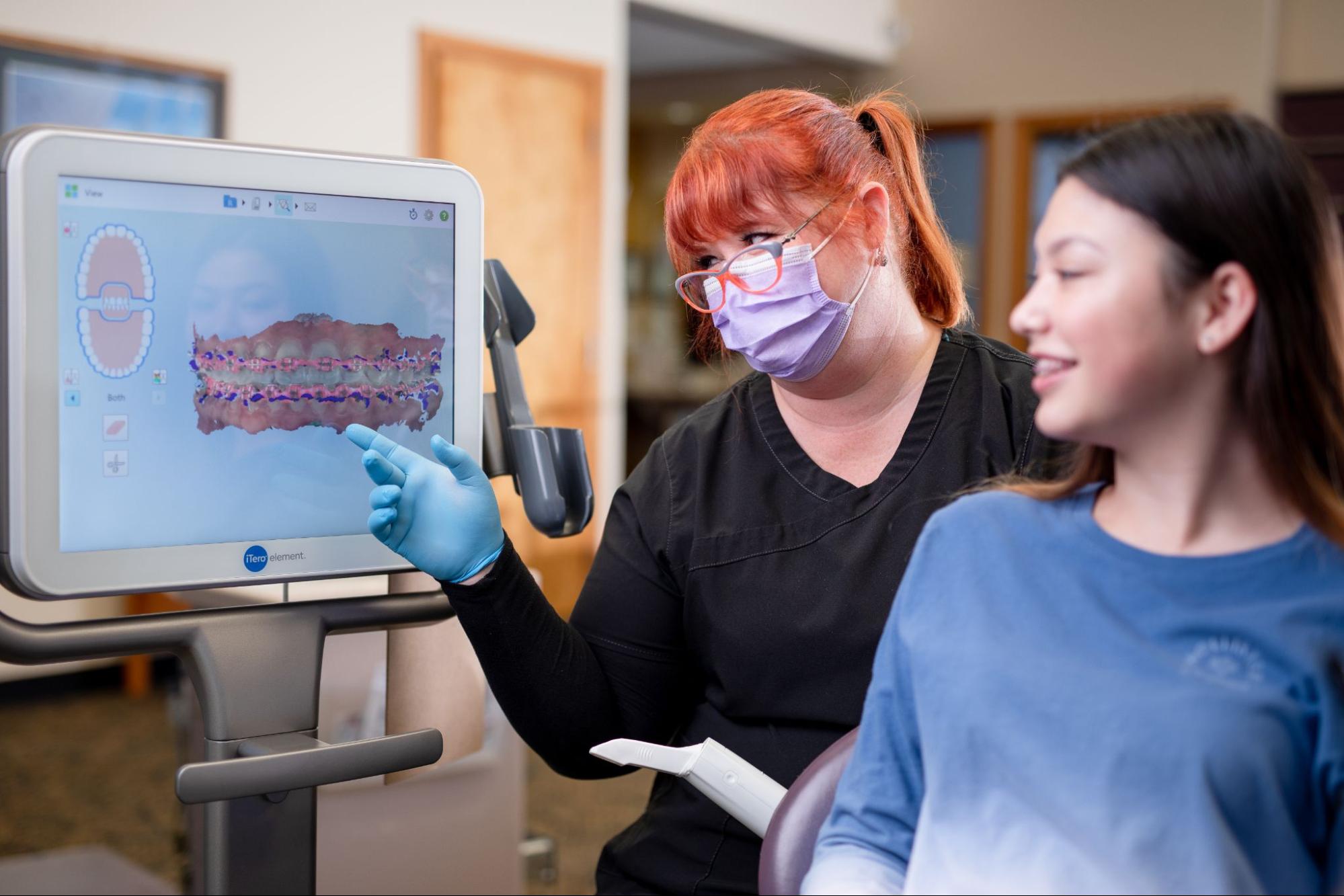
Crowded teeth are one of the most common reasons patients seek orthodontic care. If your teeth overlap, twist or feel squeezed together, you’re not alone. At Master Orthodontics, crowding is one of the concerns Dr. Carlos Caballero sees most often in children, teens and adults, and the good news is that it’s very treatable. Understanding what causes crowded teeth and how orthodontic treatment resolves them is the first step toward a healthier, more confident smile.
What Are Crowded Teeth?
Crowded teeth, also called dental crowding, happen when there isn’t enough room in the jaw for all the teeth to line up properly. As a result, teeth may overlap, rotate or sit pushed forward or behind their neighbors. Crowding affects both the look of your smile and your long-term oral health.
Orthodontists typically describe crowding in three levels:
- Mild crowding. Slight overlap or minor rotation of one or two teeth.
- Moderate crowding. Noticeable overlap across several teeth.
- Severe crowding. Significant misalignment, often with teeth coming in out of position.
Crowding can show up at different stages of life. Many children first show signs when baby teeth and adult teeth are in the mouth at the same time. Teens often notice crowding as their permanent teeth finish coming in. Adults can develop crowding later too, especially in the lower front teeth as the jaw changes naturally with age. Every patient should be evaluated individually so treatment matches the type and severity of crowding.
What Causes Crowded Teeth?
Crowded teeth usually come down to one core issue: the teeth need more space than the jaw has available. Several factors can contribute to that mismatch, and many patients have more than one at play.
Here are the most common reasons crowding develops:
- Genetics and jaw-to-tooth size. This is one of the most common causes. A smaller jaw, larger teeth or both can create a space shortage from the start.
- Early loss of baby teeth. When baby teeth are lost too soon from decay or injury, neighboring teeth can drift into the empty space and leave less room for the adult tooth waiting to come in.
- Childhood oral habits. Thumb sucking and prolonged pacifier use, along with tongue thrusting, can shape the growing jaw and influence how teeth come in.
- Natural changes with age. Teeth keep shifting slowly throughout life, and the lower front teeth in particular tend to crowd over time, especially if retainers weren’t worn after earlier treatment.
- Extra or oversized teeth. Extra teeth or unusually large teeth take up room the arch simply doesn’t have.
Wisdom teeth often get blamed for crowding later in life, but research suggests they play a small role at most. Late crowding is more often part of the natural changes above, which is why long-term retainer wear matters so much.
Knowing the cause shapes your treatment plan. For example, crowding from a narrow upper jaw in a child may respond well to a palatal expander, while crowding in an adult may call for a different approach. During a smile analysis, the orthodontist reviews X-rays and takes a close look at your bite to find the underlying cause before recommending next steps.
Health Risks and Benefits of Treating Crowded Teeth
Crowded teeth are more than a cosmetic concern. They can quietly affect your oral health and how your bite works. Treating crowding brings real, lasting benefits for both daily life and long-term health.
How Does Straightening Improve Oral Hygiene?
When teeth overlap, floss and toothbrush bristles can’t reach the tight spaces between them. Straight teeth are much easier to clean, which lowers your risk of cavities and plaque buildup. Many patients find that daily brushing and flossing become faster and more effective once their teeth are aligned.
Overlapping teeth also create pockets where bacteria build up. Correcting crowding makes it easier to keep your gums healthy and lowers the chance of gingivitis progressing to more serious gum problems.
What Long-Term Health Benefits Should I Expect?
Beyond easier cleaning, treating crowded teeth protects the structures that support your smile:
- Less enamel wear and fewer chips. Crooked teeth often meet at the wrong angles, causing uneven wear and leaving enamel more likely to chip over time.
- A more balanced bite. When teeth fit together properly, chewing forces spread more evenly across your teeth.
- Improved chewing and speech. Well-aligned teeth do their job better, from biting into an apple to pronouncing certain sounds clearly.
- A confidence boost. When you like how your smile looks, you share it more freely.
Addressing crowding protects your oral health for decades, and correcting it sooner means less wear on your teeth along the way.
Treatment Options Compared: Braces vs. Clear Aligners
There’s no single “best” way to treat crowded teeth. The right option depends on how severe the crowding is, your age, your lifestyle and your preferences. Here’s how the main options compare:
| Treatment | Best For | Visibility | Comfort | Typical Timeline |
|---|---|---|---|---|
| Metal Braces | Moderate to severe crowding and complex bite issues | Visible | Some soreness after adjustments | 12 to 24 months |
| Clear (Ceramic) Braces | Moderate crowding when you want a discreet fixed option | Low profile, tooth-colored | Similar to metal braces | 12 to 24 months |
| Clear Aligners (Invisalign) | Mild to moderate crowding and lifestyle flexibility | Nearly invisible | Smooth and removable | 6 to 18 months in many cases |
Metal braces remain the gold standard for severe crowding and complex movements. They give the orthodontist precise control over every tooth, which matters when teeth need significant rotation or repositioning.
Clear ceramic braces work the same way as metal braces but use tooth-colored brackets for a more subtle look. They’re a popular choice for teens and adults who want fixed treatment without the shine of metal.
Clear aligners are removable, nearly invisible and a strong option for mild to moderate crowding. You take them out to eat, brush and floss, which many patients love.
Some cases of significant crowding need an extra step to make room, such as a palatal expander, removing a tooth or interproximal reduction (IPR), which takes off a very small amount of enamel between teeth to create space. A thorough smile analysis shows whether your case needs any of these.
One important caution: DIY and mail-order aligner kits aren’t a safe choice for treating crowding. Without an in-person exam, X-rays and ongoing supervision from an orthodontist, you risk tooth and gum problems that can cost far more to fix later.
Cost Factors for Treating Crowded Teeth
The cost of treating crowded teeth depends on how severe the crowding is, the type of treatment and any extra steps your plan requires. Here are the main factors:
- Severity of crowding. Mild cases often need shorter treatment. Severe crowding may take more time and planning.
- Type of treatment. Metal braces are typically the most affordable option, while ceramic braces and clear aligners usually cost more.
- Additional steps. Extractions, expanders or other appliances add to the overall investment.
- Insurance and savings accounts. Many dental plans cover part of orthodontic treatment, and HSA or FSA funds can often be used.
- Payment plans. Master Orthodontics offers flexible payment plans, including 0% in-house financing and CareCredit for those who qualify.
- Retainers. At Master Orthodontics, retainers are included in your treatment plan, so protecting your results is already part of the cost.
We’ll walk through every factor at your smile analysis so you have a clear, personalized estimate before treatment begins.
Are You a Candidate for Orthodontic Treatment?
Patients of all ages can benefit from treating crowded teeth. Whether you’re a parent noticing your child’s teeth overlapping or an adult who’s finally ready to fix your smile, there’s likely a path forward that fits your life.
- Children (ages 7 to 10). Early, or two-phase treatment, can guide jaw growth and create space for incoming adult teeth, often preventing more severe crowding later. The American Association of Orthodontists recommends a first orthodontic visit by age seven.
- Teens. This is often an ideal window. Most permanent teeth are in, the jaw is still growing and treatment tends to be efficient and predictable.
- Adults. Discreet options like clear aligners and ceramic braces make adult treatment easier to fit into work and daily life.
You may be a good candidate for treatment if you notice:
- Teeth that overlap, twist or look crooked
- Trouble flossing between certain teeth
- A bite that feels off or uneven
- Enamel wear or small chips forming over time
Health considerations such as gum disease or recent dental work may affect your treatment plan, which is why a thorough exam matters. A virtual orthodontic consultation can also be a convenient first step before you visit in person.
Get Help With Crowded Teeth at Master Orthodontics
Dr. Caballero treats crowding for patients of every age, from early treatment for kids to braces and Invisalign for teens and adults. Whether you’re looking for braces in Port Orchard or Bremerton, every plan starts with a smile analysis where we look at your teeth, find the cause of the crowding and walk you through your options.
Frequently Asked Questions About Crowded Teeth
Can Crowded Teeth Resolve Themselves Over Time?
No. Crowded teeth don’t straighten on their own, and they often get worse with age, especially the lower front teeth. An early evaluation gives you the widest range of options and can shorten total treatment time.
Will I Need Teeth Pulled to Correct Crowding?
Not always. Many patients with mild or moderate crowding can be treated without extractions, especially when expansion or interproximal reduction creates enough space. Severe crowding sometimes requires removing one or more teeth to achieve a healthy, stable result. A careful case review makes sure extractions are only recommended when they’re truly needed.
How Long Does Treatment for Crowded Teeth Take?
It depends on how severe the crowding is and the option you choose. Mild crowding with clear aligners can often be resolved in 6 to 12 months, while moderate to severe crowding with braces typically takes 12 to 24 months. You’ll get a personalized timeline at your smile analysis.
Is Invisalign as Effective as Braces for Crowding?
For mild to moderate crowding, clear aligners can produce excellent results that rival braces. For severe crowding or complex rotations, traditional braces often give more precise control. Dr. Caballero is an Invisalign® VIP provider in the top 1% of providers worldwide and can help you understand which option fits your case best.
Am I Too Old for Orthodontic Treatment?
No. A healthy tooth can be moved at almost any age, and adults make up a growing share of orthodontic patients. As long as your teeth and gums are healthy, it’s never too late for braces or aligners, whether you’re 25 or 65.
Will My Teeth Re-Crowd After Treatment Ends?
They can if retainers aren’t worn as directed. Teeth naturally shift throughout life, so wearing your retainer is essential for protecting your results. A simple long-term wear schedule keeps your smile in place for years to come.